
IMF Approves $2.5bn In Funding For Egypt, Backs Climate Finance Initiative

The International Monetary Fund (IMF) has approved a combined $2.5 billion in financing for Egypt, completing the fourth review of the country’s economic reform programme despite “mixed progress” on structural reforms, the fund announced on Tuesday.
The IMF’s executive board released $1.2 billion from Egypt’s existing $8 billion Extended Fund Facility (EFF) arrangement, bringing total disbursements to $3.2 billion since the loan programme began in December 2022.
In addition, the board approved a new $1.3 billion arrangement under the IMF’s Resilience and Sustainability Facility (RSF) to support Egypt’s climate change initiatives and accelerate decarbonisation efforts.
“The Egyptian authorities have continued to implement key policies to preserve macroeconomic stability, despite ongoing regional tensions that had caused a sharp decline in Suez Canal receipts,” the IMF said in its statement.
Economic recovery amid regional challenges
The fund noted that Egypt’s GDP growth slowed to 2.4 per cent in fiscal year 2023/24, down from 3.8 per cent in the previous year, but has since rebounded to about 3.5 per cent in the first quarter of the current fiscal year.
Meanwhile, inflation has been trending downward since September 2023, with the latest data showing annual headline inflation dropping to 12.8 per cent in February.
Trade disruptions in the Red Sea since December 2023 have reduced foreign exchange inflows from the Suez Canal by $6 billion in 2024, while the ongoing war in neighbouring Sudan has led to a substantial influx of refugees, putting additional pressure on Egypt’s economy.
“Despite progress, risks remain significant and skewed to the downside,” said Nigel Clarke, IMF Deputy Managing Director. “The economic outlook is vulnerable to external shocks and domestic policy challenges.”

Recalibrated fiscal targets
In recognition of difficult external conditions, the IMF approved a recalibration of Egypt’s medium-term fiscal commitments. The primary balance surplus, excluding divestment proceeds, is now expected to reach 4 per cent of GDP next fiscal year—half a percentage point less than earlier programme commitments.
The fund emphasised that strengthening fiscal sustainability requires more effective domestic revenue mobilisation, a comprehensive debt management strategy, and accelerated divestment of state assets.
“Decisively reducing the state’s footprint, levelling the playing field, allowing energy prices to reach cost recovery levels, and addressing governance and transparency issues will enable the private sector to become the primary engine of growth,” Clarke added.
Exchange rate flexibility remains crucial
The IMF highlighted that Egypt’s shift to a flexible exchange rate regime in March 2024 has “continued to produce positive results,” including the elimination of parallel market gaps and backlogs of unmet import demands. However, it noted that “the exchange rate fluctuates within a limited range.”
“Maintaining a liberalised foreign exchange system in the context of a flexible exchange rate regime is critical to avoid the buildup of external imbalances,” the statement highlighted, with directors underlining the importance of allowing the currency to move freely in response to market forces.
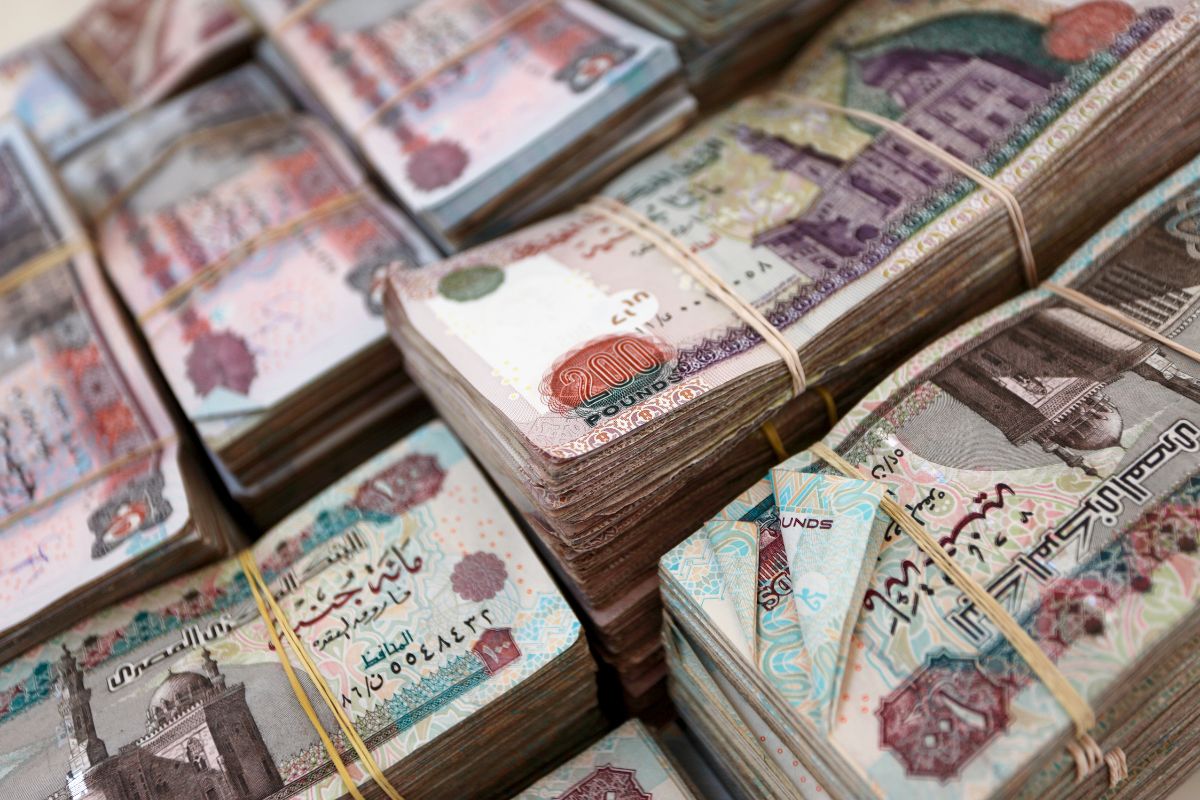
Egypt has devalued its currency by nearly 70 per cent since March 2022 as part of its IMF-backed reform programme.
Climate financing initiative
The newly approved RSF arrangement marks Egypt’s first participation in the IMF’s climate financing programme, designed to support key reforms that address climate vulnerabilities and enhance economic resilience.
“The authorities’ efforts to implement medium-term macro-critical reforms to address climate change is welcome,” the IMF said, noting that the arrangement will support reforms to accelerate decarbonisation, strengthen environmental risk management, and assess the effects of investment plans on achieving resilience.
The fifth review of Egypt’s EFF programme is expected to take place later this year.
Dubais Magellan Capital Launches Flagship $975m Hedge Fund
Dubai-based manager is opening its absolute return platform to third-party capital for the first time The post Dubai’... Read more
UAEs FAB Posts 22% Jump In Q4 Profit, Beats Estimates
UAE's biggest bank FAB reported a record 2025 profit after strong Q4 results, higher non-interest income and expanding ... Read more
Dubai Unveils $27.2bn DIFC Zabeel District In Landmark Financial Hub Expansion
Dubai unveils $27.2bn DIFC Zabeel District, a landmark expansion set to reshape the city’s financial hub amid global ... Read more
Digital Payments Dominate Saudi Arabia As Cash Use Continues To Decline, Visa Says
Visa research shows 80% of transactions in Saudi Arabia are now digital, highlighting accelerating consumer shift away ... Read more
Saudi Venture Capital Surges 145 Per Cent To $1.72bn In Record 2025
Saudi Arabia leads MENA venture capital for a third year, with 2025 investment reaching $1.72bn across a record 257 dea... Read more
GCC Debt Market Tops $1.1trn As Dollar Issuance Surges – Report
Fitch Ratings says GCC debt capital markets grew 14% in 2025, led by US dollar borrowing and record sukuk activity The ... Read more